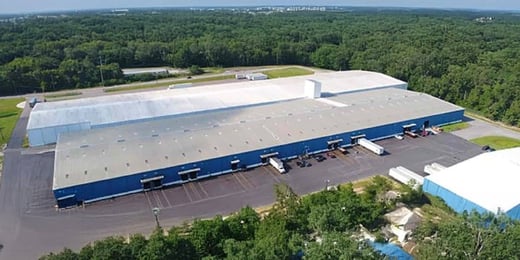
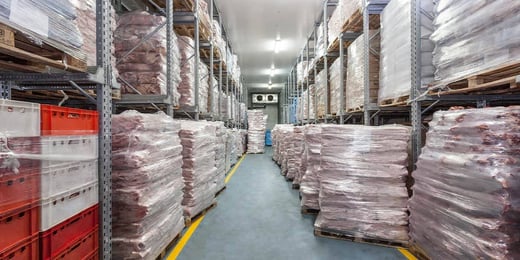
Cold storage logistics plays a vital role in industries like food and beverage, cosmetics, and ecommerce—where product integrity, safety, and timeliness can make or break customer trust. Unlike standard logistics, cold storage adds layers of complexity. From maintaining strict temperature ranges to navigating compliance requirements and managing seasonal demand swings, every step carries unique risks that require specialized solutions.
These challenges can quickly turn into costly setbacks if not addressed properly. But with the right strategies, businesses can overcome these obstacles and keep their operations efficient, compliant, and customer-focused.
In this blog, we’ll explore the top challenges in cold storage logistics and, more importantly, how businesses can solve them to stay competitive in today’s fast-moving supply chain landscape.
Challenge 1: Maintaining Temperature Control
For companies handling perishable or temperature-sensitive goods, maintaining the cold chain is one of the most critical—and most difficult—logistics challenges. Products often travel long distances, cross varying climates, and pass through multiple handoffs before reaching their destination. Each step introduces the risk of temperature fluctuations that can compromise quality and safety.
The Solution
Invest in operations that prioritize temperature integrity at every step. This includes state-of-the-art cold storage facilities, strict monitoring systems, and proven cold chain management practices designed to keep products within required ranges from dock to doorstep. Coordinating cold storage and logistics processes can also help businesses maintain consistent handling requirements as products move through the supply chain.
Challenge 2: Rising Energy and Operating Costs
Cold storage facilities are among the most energy-intensive operations in logistics. Constant refrigeration, specialized equipment, and regulatory requirements all drive up costs. As energy prices continue to rise, maintaining efficient operations has become one of the biggest challenges in cold chain management.
The impact of these rising costs can be felt across every part of the business. When expenses climb, companies are often forced to raise prices, which can erode competitiveness in an already tight market. At the same time, shrinking margins make it harder to reinvest in growth initiatives or innovation, leaving businesses at a disadvantage.
The Solution
Focus on operational efficiency and cost management. Using a 3PL with shared facilities can allow multiple businesses to benefit from economies of scale, lowering the overhead burden for each. Energy-efficient technologies, optimized warehouse layouts, and proactive maintenance can also help reduce unnecessary expenses.
Challenge 3: Limited Capacity and Seasonal Demand
Seasonal demand swings create major challenges for cold storage operations. During peak periods—such as holidays, summer months, or industry-specific cycles—storage space and fulfillment capacity are stretched thin. Once demand drops, businesses are often left with unused space and unnecessary overhead.
The Solution
The solution is adopting scalable cold storage and flexible fulfillment. A 3PL partner with scalable solutions ensures companies can handle demand spikes without carrying year-round costs for unused warehouse space. With the ability to expand storage space and labor capacity during peak seasons and scale back when demand slows, businesses avoid overcommitting resources while still meeting customer expectations.
Challenge 4: Compliance and Food Safety Regulations
Cold storage logistics doesn’t just involve keeping products at the right temperature—it also requires meeting strict regulatory and food safety requirements that are constantly evolving. From FDA and USDA guidelines to BRC and other international certifications, compliance requires ongoing attention, documentation, and process control. For businesses evaluating a BRC certified warehouse, verifying current certification status and understanding the facility’s applicable food safety processes can be an important part of the selection process.
The Solution
For businesses, the key is building strong compliance processes into their operations from the ground up. This includes investing in continuous training for staff, maintaining meticulous documentation of handling and storage practices, and staying proactive about regulatory updates. Regular audits, both internal and third-party, help ensure facilities remain in full compliance, while implementing technology like automated monitoring systems can reduce the risk of human error.
The Dothan Warehouse Advantage
Cold storage logistics comes with challenges that can overwhelm businesses if they try to manage them alone. From temperature control and compliance to seasonal demand and workforce pressures, success requires a partner with the right expertise, technology, and infrastructure.
At Dothan Warehouse, we’ve built our business around solving these challenges for our clients. Our advantage includes:
- Proven Accuracy and Reliability – An industry-leading fulfillment track record backed by decades of experience.
- Comprehensive Cold Storage Capabilities – Ambient, refrigerated, and frozen storage tailored to the needs of diverse industries.
- Technology Integration – Seamless connections with ERP systems, ecommerce platforms, and warehouse management systems for real-time visibility and control.
- Scalable Solutions – Flexible warehousing and fulfillment that expand during peak seasons and scale back when demand slows.
- Commitment to Compliance and Safety – Certified processes and strict quality standards that ensure every product is stored and shipped with care.
With Dothan Warehouse as a logistics partner, businesses gain more than cold storage—they gain the confidence to grow, adapt, and deliver for their customers no matter what challenges arise. By bringing cold storage and logistics capabilities together, businesses can simplify the management of temperature-sensitive inventory as demand changes. Contact Dothan Warehouse today to build a tailored solution that keeps your business efficient, compliant, and customer-focused.
.jpg?width=50&height=50&name=Jones%2c-Turner-(2017).jpg)